The Benefits of School Cleaning
1.) Promoting Healthier School Environments
Effective school cleaning reduces the spread of germs and bacteria, which is crucial in maintaining the health of students and staff. By minimising the presence of contaminants, schools can see a notable decrease in student and teacher sick days.
2.) Boosting Academic Performance
A clean learning environment is conducive to concentration and productivity. Students can better focus and perform academically when not distracted by untidiness or worried about hygiene.
3.) Enhancing School Reputation
Schools known for their cleanliness and hygiene are more attractive to parents seeking the best learning conditions for their children. A well-maintained facility reflects positively on the school’s management and commitment to student welfare.
4.) Improving the Longevity of School Facilities
Regular and thorough cleaning helps maintain school facilities and equipment, extending their lifespan and reducing the need for expensive repairs or replacements. This proactive maintenance saves money and resources in the long run.
5.) Supporting Emotional and Mental Well-being
Clean and organised spaces can significantly impact students’ emotional and mental health, reducing stress and anxiety. This creates a nurturing environment where students can thrive both socially and academically.

Implementing Effective School Cleaning Practices
Establishing a Regular Cleaning Schedule
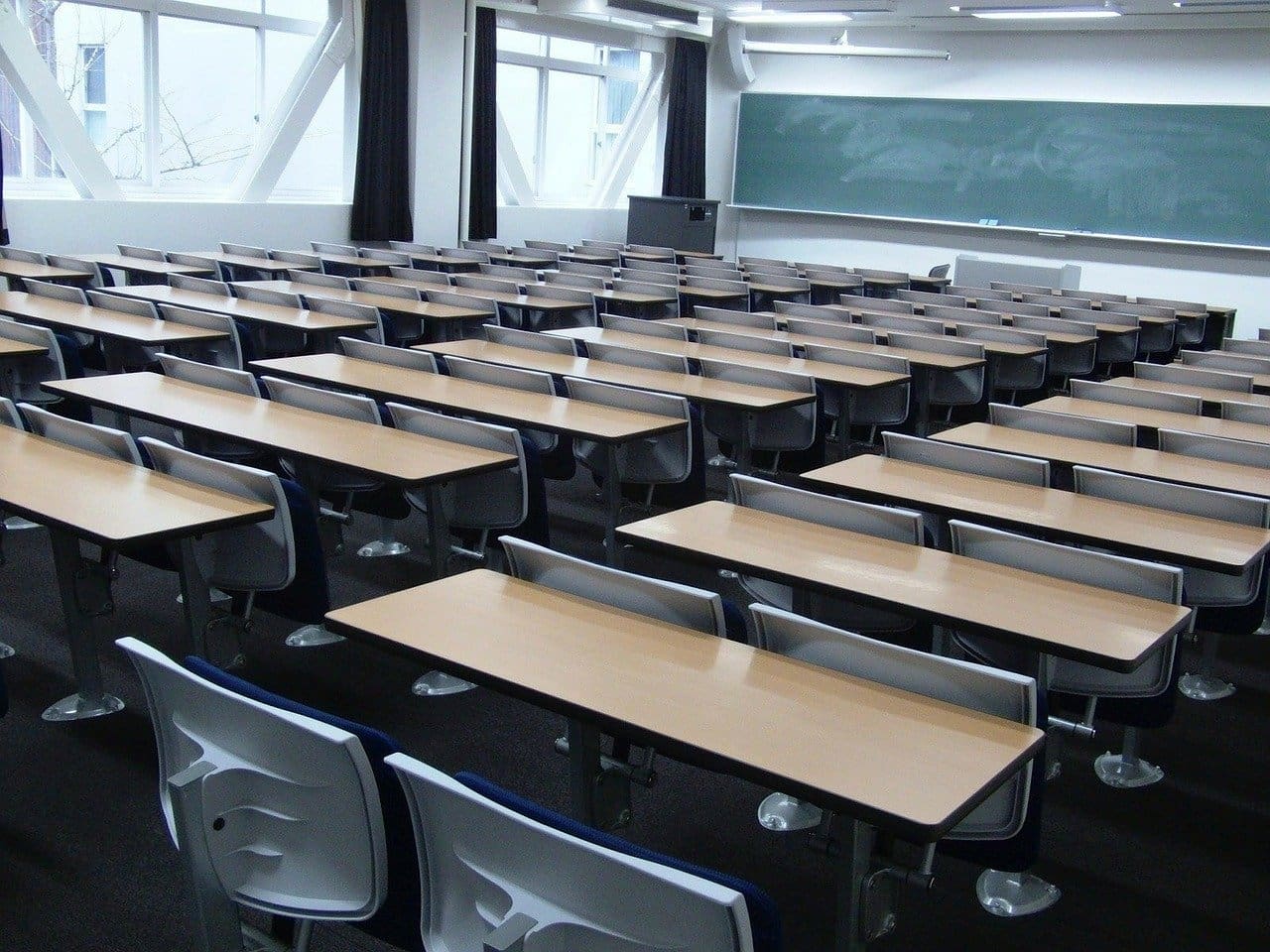
To ensure a consistently healthy school environment, it’s essential to establish a routine cleaning schedule that comprehensively addresses all areas of the school. This schedule should include daily cleaning of high-traffic areas such as classrooms, hallways, and bathrooms and weekly deep cleaning of less frequented spaces. Such regularity maintains cleanliness and controls the spread of infections, which is crucial, especially during the cold season when illnesses like norovirus and influenza are prevalent. This approach is supported by the general emphasis on enhanced cleaning protocols to mitigate health risks in educational settings, as noted by the NHS’s focus on school environments during the pandemic.
Choosing the Right Cleaning Products
Selecting appropriate cleaning products is crucial for effective cleaning. Use environmentally friendly products that are proven to be effective against pathogens yet safe for use around children. This approach helps maintain a toxin-free environment conducive to health and wellness. The right choice of cleaning agents, coupled with proper techniques such as touchpoint cleaning, significantly reduces the transference of infections, which cleaning experts highlighted as a pivotal strategy in maintaining day-to-day hygiene in schools.
Training and Empowering Cleaning Staff
Investing in regular training for both cleaning and teaching staff ensures that everyone on the school premises is equipped with the latest cleaning techniques and safety protocols, thereby enhancing the overall cleaning standards. This training covers the use of appropriate cleaning products and techniques and necessary personal protective measures as outlined by governmental health guidelines, ensuring that all actions taken align with the highest health and safety standards.
Engaging the School Community
Engaging the entire school community—including students, teachers, and parents—in maintaining cleanliness can significantly enhance the effectiveness of your cleaning efforts. Educational initiatives that teach students about hygiene and involve them in maintaining their environments ensure a community-wide commitment to cleanliness, echoing findings suggesting the benefits of such inclusive approaches.
Monitoring and Adapting
Regular assessments of cleaning processes are essential to ensure they meet required standards. Feedback mechanisms should be in place to gather insights from the school community on the effectiveness of current practices, allowing for timely adaptations. This dynamic approach to monitoring and adjusting cleaning protocols is crucial for maintaining a healthy environment.
Utilising Professional Cleaning Services
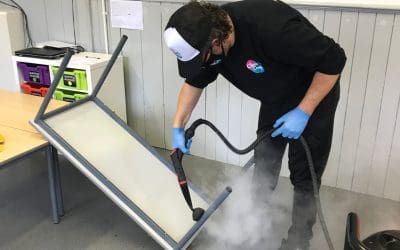
For schools that lack in-house resources, partnering with a professional cleaning service can provide access to specialised cleaning expertise and advanced technologies. Such partnerships ensure that cleaning practices are comprehensive and up-to-date, covering every aspect of the school’s needs and adhering to established health standards, as professional bodies like the NHS recommend.
By implementing these strategies, schools can create a cleaner, healthier environment that promotes students’ well-being and enhances their educational experience. Each step towards improved cleaning practices contributes to a safer and more conducive learning environment. Schools can consult resources provided by the British Institute of Cleaning Science and follow recommendations from authoritative bodies such as GOV for more detailed guidelines on cleaning standards and techniques.UK and Samsic UK offer extensive guidance on maintaining hygiene in educational settings.

Frequently Asked Questions
What does school cleaning include?
Complete care for every corner.
School cleaning typically includes classrooms, hallways, toilets, staff rooms, sports halls, and canteens. It covers vacuuming, mopping, dusting, disinfecting high-touch surfaces, and waste removal. At Clean Deep, our school cleaning services are tailored to meet the specific hygiene needs of educational environments.
Why is professional school cleaning important?
Supporting health and learning environments.
Professional school cleaning ensures a hygienic, safe, and welcoming space for students and staff. We tested various cleaning routines and found that regular, thorough cleaning reduces the spread of illness and boosts attendance.
How often should a school be cleaned?
Daily upkeep, deep cleans when needed.
We recommend daily school cleaning during term time, with deeper cleans scheduled during holidays. This routine keeps learning spaces consistently clean and compliant with health standards.